

The Same Hour Every Day: How Fixed Time Unlocks Unexpected Creativity
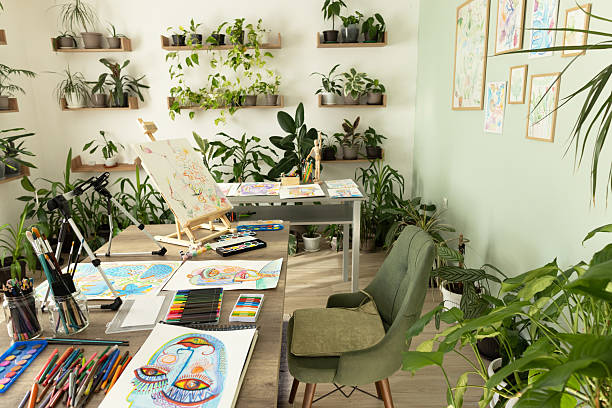
There is a strange magic in doing the same thing at the same time each day, especially when the task is to make something new. Most people assume that creativity demands spontaneity, that fresh ideas only arrive when you wait for a lightning bolt of inspiration. But the opposite is often true. By anchoring your creative work to a fixed hour, you free yourself from the exhausting negotiation of when to begin. That saved energy goes straight into the work itself. The clock becomes a doorway, not a cage.
Think about how you approach a blank page. Without a set time, you spend ten minutes here, twenty minutes there, always checking if you feel ready. The feeling never comes. You end up browsing old sketches, cleaning your desk, or reorganizing your bookshelf. The tragedy is that the urge to explore new experiences gets buried under indecision. When you commit to a consistent slot, you remove the choice entirely. At eight o’clock on Tuesday, you sit down. The only question left is what to try. That is where exploration actually begins.
A fixed schedule does not narrow your mind. It expands your permission to wander. Because you know you have a full hour of dedicated space, you can afford to take risks. You can write a terrible opening paragraph just to see where it leads. You can paint a shape that makes no sense and then chase it across the canvas. You can play three wrong notes in a row and discover a melody hidden in the mistake. Without the pressure to “feel inspired” before you start, you start anyway, and the act of starting generates its own momentum. Routine becomes a launching pad for curiosity rather than a limitation on it.
Many successful artists and designers have understood this quietly. They do not speak of muse or temperament. They simply show up at the same time every morning, open their notebook, or pick up their tool. The consistency matters more than the quantity. A half hour each day at a fixed time builds a reliable chamber where your brain learns to switch into active making mode. Over weeks, that hour takes on a texture of its own. The light through the window at that particular time, the creak of your chair, the quiet hum of the neighborhood outside—all these small sensory details become part of a ritual that tells your body: here we go again. That ritual is not boring. It is the opposite of boring because it gives you a stable platform to leap off into uncharted territory.
Set a time that is sustainable, not heroic. Maybe it is 7:15 in the morning before anyone else wakes up. Maybe it is late at night after the rest of the house has gone quiet. The specific hour matters less than the reliability. If you try to claim a random forty-five minutes whenever you can, your mind never gets the chance to settle. But a daily appointment, even a short one, allows you to enter a deeper state. You stop checking how much time remains. You forget your phone. You begin to notice connections between yesterday’s half-formed idea and an absurd observation from a walk you took last week. That cross-pollination is the core of exploring new experiences, and it thrives inside a steady rhythm.
Do not be afraid to vary what you do within that hour. One day you might write, another day you might sketch a map of a place you have never visited. The consistency is in the timing, not the content. This lets you use the same reliable container to carry wildly different cargo. Monday you bring a problem from work. Tuesday you bring a memory that will not fade. Wednesday you bring a word you invented in a dream. The slot remains the same, but the journey changes. That is how you turn discipline into adventure.
Eventually, you will miss a day. That is fine. The point is not to be perfect with your calendar. The point is to make the regular appointment so natural that missing it feels odd, not upsetting. When you miss two days in a row, you simply start again the next time your slot comes around. No guilt, no elaborate pep talk. Just show up. The fixed time is always there, waiting. It does not judge you. It does not care if you produced a masterpiece or a mess. It only cares that you arrived. And in that arrival, you give your creative instincts the one thing they rarely get: consistent, unrushed permission to explore.
Try it for two weeks. Pick a time that is realistic and guard it like a meeting with a very interesting stranger. Put away the to-do list, turn off notifications, and let yourself play with whatever is in front of you. You might be surprised to find that the same hour each day becomes the most alive part of your schedule. You will begin to look forward to it, not because it is easy, but because it is reliable. That reliability is the secret. It does not kill spontaneity. It gives spontaneity a home.
Articles