
The Invisible Thread: How Scent Weaves Memories and Emotions
The sudden aroma of a specific perfume on a crowded street can halt us in our tracks, transporting us instantly to a long-forgotten embrace. The scent of rain on dry earth, petrichor, might flood the mind with childhood summers spent outdoors. Unlike any other sense, smell possesses a profound and direct pathway to our emotional core and our most vivid recollections. This powerful connection is not merely poetic but is deeply rooted in the unique architecture of the human brain, making scent an invisible thread that weaves together our past and present feelings.
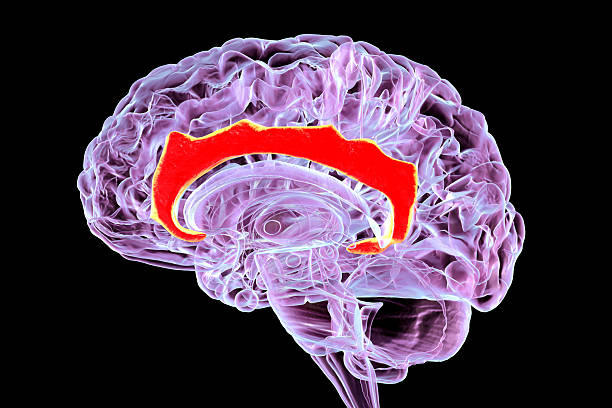
The journey of a scent begins when odor molecules enter the nose and bind to specialized receptors. These receptors send signals directly to two key limbic system structures: the amygdala, which processes emotions, and the hippocampus, which is central to forming and retrieving autobiographical memories. This is a critical distinction from our other senses. Visual and auditory information, for instance, first pass through the thalamus, the brain’s “sorting station,“ before being relayed for emotional and memory processing. Smell, however, takes a neurological shortcut, bypassing this relay to create an immediate, unfiltered link between an odor, an emotional state, and the context in which it was first encountered. This direct wiring means scent-evoked memories often arrive with a visceral emotional punch that feels more intense and immersive than those triggered by sights or sounds.
This process is particularly potent during early development. The neural pathways for smell are among the first to mature, which is why scents associated with childhood—a parent’s soap, the smell of a family kitchen, the distinct fragrance of a first home—can feel so foundational and emotionally charged. These initial associations form a scented blueprint, laying down memories before we even have the language to describe them. The emotion felt during that initial encounter becomes chemically tied to the odor itself. Consequently, smelling that odor again does not simply recall the memory; it can trigger a re-experiencing of the original emotion, whether it be comfort, joy, anxiety, or longing. This is why the smell of a hospital might induce unease years later, or the fragrance of a lost loved one’s cologne can bring both acute sorrow and profound connection.
Furthermore, scent memories exhibit a phenomenon known as the “Proustian effect,“ named for Marcel Proust’s famous passage where the taste of a madeleine cake dipped in tea unlocks a flood of detailed childhood memories. These olfactory memories are often experienced as more evocative and specific than their visual counterparts. While we might consciously recall a photograph from a past birthday, the smell of the specific cake baking can plunge us into the sensory richness of the moment—the warmth of the kitchen, the sound of laughter, the texture of the frosting. This is because the hippocampus, activated by the scent, retrieves not an isolated fact, but the entire episodic memory, complete with its emotional landscape.
In essence, scent acts as a potent key to a deeply integrated lock within our minds. Its direct neural pathway to the brain’s emotional and memory centers ensures that odors are rarely processed as neutral information. Instead, they are imbued with feeling and context from the moment they are first encountered. This invisible thread connecting scent, memory, and emotion explains why a fleeting fragrance can momentarily collapse time, making the past feel vividly present. It is a reminder that our most powerful histories are not always written in albums or diaries, but are sometimes preserved in the quiet, enduring chemistry of smell, waiting for a single molecule to unlock a world of feeling.
Articles