The Hidden Gold in Harsh Feedback
Every creator knows the moment. You finish something you are proud of, a piece of writing, a design, a song, a painting. You share it with someone you trust, and they pause. Then they say, “This part doesn’t work for me,” or “I think you’re missing the real point here.” Your stomach drops. A voice inside says they just don’t get it. Another voice whispers that maybe they are right. That split second of discomfort is the doorway to a better creative life, but only if you walk through it.
Seeking constructive critical feedback is one of the most powerful ways to explore new experiences, yet it is also the most avoided. We crave praise because it feels safe. But praise tells us what we already know. It confirms our instincts and strokes our ego. It does not push us to grow. Real growth happens when someone shines a light on the cracks in our work, the parts we have been ignoring or the assumptions we never questioned. That kind of feedback is a gift, even when it arrives wrapped in sandpaper.
The creative class often talks about “process” and “inspiration,” but the real engine of improvement is the willingness to be wrong in front of another person. When you ask for honest feedback, you are not just getting advice on a single project. You are training yourself to see your own blind spots. Over time, you start to anticipate what a sharp critic might say, and you fix problems before they ever leave your desk. That is how you level up.
But not all feedback is created equal. The key word in the subtopic is “constructive.” A friend who says “I hate it” with no explanation is not helping. A colleague who says “The structure feels messy, and the middle section loses tension, maybe try leading with that anecdote instead” is giving you something you can work with. To get that kind of input, you have to ask for it. Be specific. Instead of “What do you think?” try “I’m worried the ending is too rushed. Can you read just the last two paragraphs and tell me if it lands?” That directs the critic’s attention to the area you need help with, and it makes the feedback more useful.
Another trick is to seek out people who are not in your immediate circle. If you are a painter, ask a musician to look at your composition in terms of rhythm and contrast. If you write fiction, ask a graphic designer about pacing and visual cues. Outsiders catch things you and your peers miss because they bring a different set of tools and expectations. Their criticism may feel odd or off at first, but that strangeness is exactly what you need to break out of a creative rut.
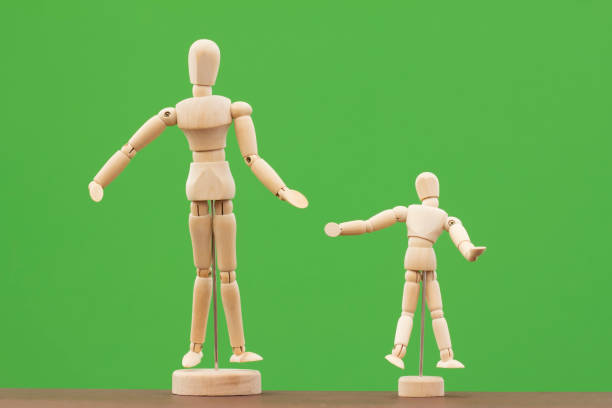
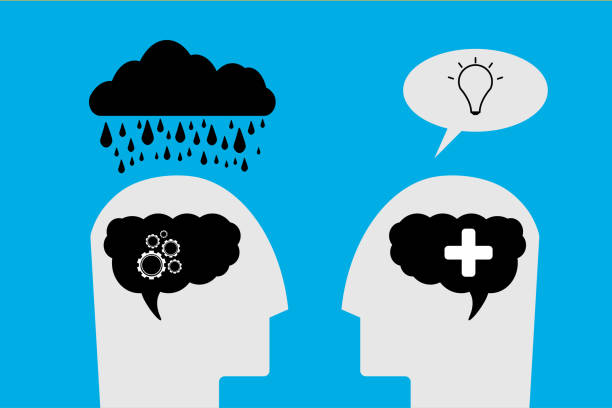
The hard part is learning to receive the criticism without taking it personally. Every creator struggles with this. Your work is a piece of you, and when someone points out a flaw, it can feel like they are pointing out a flaw in you. They are not. They are pointing at the work. The work is a separate thing. It can be fixed, rewritten, repainted, recorded again. You are not your work. Once you separate your identity from the output, feedback becomes a tool rather than a threat.
It helps to have a simple rule: before you respond to any criticism, take a breath and say “Thank you.” Even if you disagree. Even if the feedback stings. Thanking someone for their time and honesty keeps the door open for more useful conversations later. Later, when the sting fades, you can look at the comment again. Sometimes you will realize they were right. Other times you will realize they missed the point, but their mistake might reveal a gap in your communication. Either way, you learn something.
The most successful creative people I know treat feedback like a sport. They actively seek out the toughest rooms. They go to workshops where work gets torn apart in public. They hire editors who will mark up their drafts with red pens. They do not wait for the world to tell them something is wrong. They invite the truth in early, when it can still be used.
Seeking constructive critical feedback is itself an act of exploration. You are exploring how others see the world, how your work lands in a different mind, how your own blind spots shape your choices. It is a new experience every time you hand over your work and wait. And the reward is not just a better piece of art. The reward is becoming the kind of creator who can take the hits and keep going, who can turn a harsh critique into a better idea, who knows that the best work is never born perfect. It is made perfect, one piece of honest feedback at a time.
Articles