
The Enduring Allure of Natural Tactile Materials
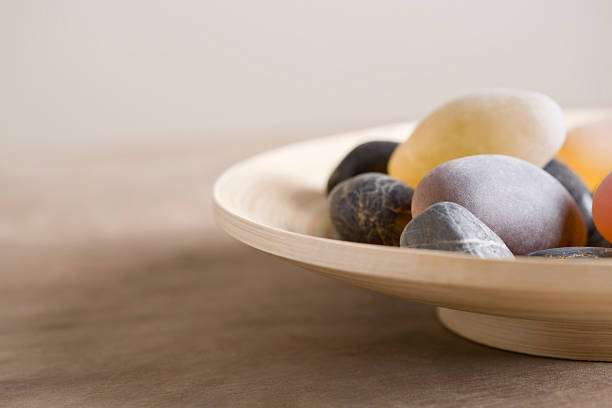
In an increasingly digital and synthetic world, the human hand instinctively seeks the authentic, textured touch of nature. Natural tactile materials, those whose primary appeal is felt through the skin, offer a profound sensory connection to the organic world. These substances, shaped by time and elemental forces, provide a rich tapestry of textures that inform, comfort, and inspire. From the solid embrace of stone to the fibrous warmth of plant matter, examples of these materials are woven into the very fabric of our daily lives and built environments, reminding us of a physical reality beyond the smooth glass of our screens.
Perhaps the most foundational of these materials is wood. Each species tells a different story to the fingertips. The buttery smoothness of sanded maple, the porous, thirsty grain of oak, and the silky, almost waxy feel of cedar offer a spectrum of experiences. Wood is alive with texture, from the rough, bark-clad exterior of a log to the polished surface of a heirloom table that bears the gentle marks of its growth rings and history. It is a material that warms to the touch, both in temperature and in spirit, and its tactile variability is a direct record of its life as a tree. Similarly, stone provides an earthier, more ancient tactile dialogue. The cool, glassy polish of marble, the gritty, crystalline surface of granite, and the soft, crumbly texture of sandstone or slate each communicate different geological histories. Holding a smooth river stone, worn sleek by centuries of water, is a calming tactile experience that connects us to elemental forces of erosion and time.
The plant kingdom offers another vast repository of tactile diversity. Natural fibers like cotton, linen, wool, and silk transform into textiles that clothe us and adorn our homes. The crisp, slightly coarse feel of fresh linen, the fluffy, breathable softness of cotton, and the insulating, resilient crimp of wool each provide distinct comfort. Beyond woven fabrics, materials like rattan, bamboo, and seagrass are woven into objects that are visually and tactilely organic, their strands and fibers offering a rhythmic, textured pattern to the hand. Then there is paper, particularly those artisanal varieties made from mulberry, hemp, or cotton rag. These papers possess a toothy, substantial feel, a far cry from the uniform smoothness of their mass-produced counterparts, and their texture directly informs the stroke of a pencil or brush.
The animal world contributes its own irreplaceable textures. Leather, in its untanned hide form, is rigid and unyielding, but through the ancient art of tanning, it becomes supple, durable, and develops a unique patina that grows softer and more personal with every touch. Untanned furs and wool, as mentioned, provide a primal, insulating softness. Even materials derived from smaller creatures have their place; beeswax, for instance, has a uniquely malleable, slightly sticky warmth when shaped by hand, solidifying into a smooth, aromatic solid.
Finally, the very earth itself is a primary tactile material. Clay, cool and dense from the ground, becomes pliable and responsive in the hands of a potter, recording every fingerprint and pressure. Once fired, it transforms into ceramic, which can range from the rough, porous texture of terracotta to the liquid-smooth glaze of porcelain. Compacted earth, as used in adobe or cob construction, offers a solid, monolithic feel that is granular and profoundly grounding.
These natural tactile materials do more than merely serve functional purposes; they satisfy a deep-seated human need for sensory engagement and authenticity. They connect us to the rhythms of the natural world, providing textures that are complex, variable, and inherently honest. In their imperfections, their warmth, and their history, they offer a tangible counterpoint to a homogenized world, reminding us that to touch is, fundamentally, to understand and to feel truly alive.
Articles