The Creative Spark of Getting Lost in a New City

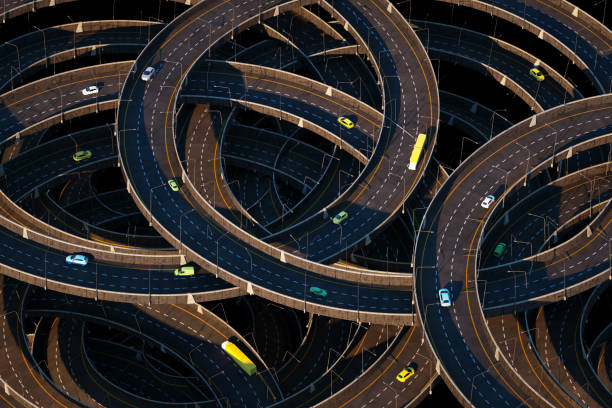
You land in a city you have never seen before. The airport signs are in a language you half understand, the taxi driver gestures toward an exit you did not notice, and the streets outside form a maze of unfamiliar sounds and smells. Most travelers respond to this disorientation by pulling out their phone, mapping a direct route to the hotel, and sticking to a list of pre-booked attractions. That is a mistake if you want to boost your creativity. The real creative payoff comes when you leave the map in your pocket, turn down a random side street, and let yourself get genuinely lost.
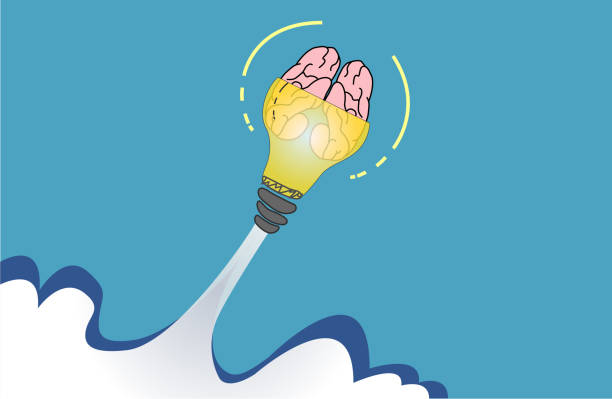
When you navigate unfamiliar terrain without a plan, your brain switches into a different mode of thinking. Routine environments are processed on autopilot. You know exactly where the coffee shop is, which streets to avoid during rush hour, and how long it takes to walk to the grocery store. That efficiency is useful for daily life, but it starves your mind of novel stimuli. Creativity thrives on novelty. Every unexpected alley, every foreign sign, every interaction with a stranger whose customs you do not fully understand forces your brain to build new mental connections. You are not just collecting travel memories. You are physically rewiring the way you think.
Psychologists have a term for this—cognitive flexibility—but you do not need the jargon to feel it in action. Walk into a market where you cannot read the labels on the produce. Your eyes scan shapes and colors instead of familiar brand names. You smell spices that do not match any dish you have cooked at home. Without a filter of assumptions, every sensory input becomes raw material for new ideas. A graphic designer might notice a pattern in the tiles underfoot that gives her a fresh color palette. A writer might overhear a phrase in a nearby conversation that cracks open a character’s voice. A musician might hear the rhythm of a street vendor’s call and turn it into a melody. These sparks happen because your mind, stripped of its usual shortcuts, is forced to work harder.
The key is to resist the urge to control the experience. Planned travel is comfortable. You know where you will eat lunch, which museum you will visit at two o’clock, and when you will be back at the hotel. That comfort comes at a cost. It closes off the accidents that make creative breakthroughs possible. Allow yourself one day per trip with zero itinerary. Wake up, pick a direction by the angle of the sun, and walk. If a bus stops in front of you with a destination you cannot pronounce, get on. Ride it until the end of the line. Get off and walk some more. You will feel anxious at first. That is normal. The anxiety is your brain’s way of telling you it is working outside its safe zone. Stay with that discomfort. It is the birthplace of insight.
Unfamiliar places also break your usual patterns of association. At home, your brain links ideas along well-worn pathways. You see a chair and think of your living room, dinner, television. In a foreign city, the same chair might be painted electric blue and placed in the middle of a plaza. Your brain cannot slot it into the usual categories, so it has to build a new one. That act of associating a familiar object with a strange context is exactly the kind of mental leap that leads to creative solutions. Many artists and inventors have described this phenomenon. They do not create their best work in a familiar studio. They create it in a rented apartment in a city they barely know, surrounded by objects and routines that force them to see the world differently.
You do not need to travel far to get this effect. Even a day trip to a neighborhood you have never visited in your own city can work. The magic is not in the distance. It is in the unfamiliarity. It is in the part of your brain that does not know what comes next and must invent possibilities on the fly. But travel to an unfamiliar place, especially one with a different language, culture, or pace of life, multiplies that effect. Every interaction becomes a problem to solve without your usual toolbox. You learn to communicate with gestures. You learn to read people instead of maps. You learn that the best meal of your life might come from a cart you would have walked past if you had not been lost.
So next time you pack a bag, leave a few hours empty. Do not book every minute. Do not research every restaurant. Go somewhere you know nothing about. Let the streets pull you. Let the unfamiliarity work on your mind like a stone on a blade. When you come home, you will bring back more than souvenirs. You will bring back a brain that has been forced to make new connections, see old things in new ways, and remember that the best ideas never come from following the map.
Articles