The Creative Spark of a Sudden Cold Snap
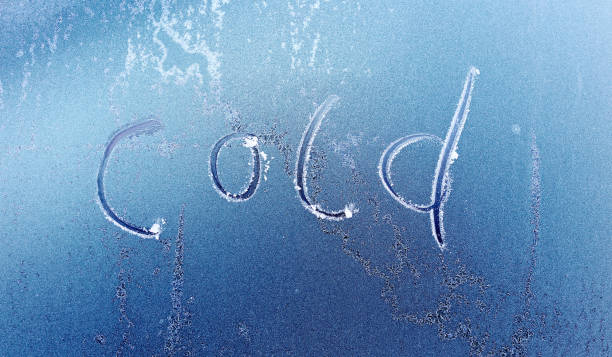
A shift in weather is one of the simplest ways to shake loose a stuck mind. You do not need to fly to a desert or live in a rainforest. Something as ordinary as a sudden cold snap—when the temperature drops twenty degrees overnight and the air turns sharp and thin—can do the job just as well. The effect is not mystical. It is a direct, physical jolt to your senses, your routine, and your brain’s habitual grooves. When you step outside into a blast of cold that makes you gasp, you are not the same person who walked indoors the night before. That tiny shock is enough to break the pattern.
The creative class thrives on novelty, and weather is one of the few forces that can deliver it without any planning. You cannot schedule a cold snap. It arrives, and you have to deal with it. That forced adjustment is valuable because creativity often comes from having to solve problems you did not choose. When the draft from a window becomes too sharp to ignore, you move your chair. When your fingers are too stiff to type, you pick up a pen and write by hand. These small, physical adjustments wake up parts of the brain that have been dulled by the same thermostat-controlled environment day after day. A room that is always seventy degrees is a room without friction. A house that suddenly feels like a refrigerator demands action.
There is also the matter of sensory input. Cold weather changes the way the world looks, smells, and sounds. Frost coats the edges of leaves, turning a familiar sidewalk into a lacework of white lines. Your breath becomes visible, a cloud that hangs in front of your face for a second before dissolving. The air smells different—cleaner, metallic, stripped of the damp earthiness of autumn. These small sensory details are raw material for creative work. A painter might find a new palette of pale blues and greys. A writer might capture the precise sound of a frozen tree branch cracking in the wind. A musician might notice how footsteps on frozen gravel make a crunch that is unlike any other surface. You cannot invent these details by imagination alone. You have to go outside and feel them.
The cold also forces you to move faster. When you are warm and comfortable, you tend to linger, to daydream, to lose focus. But when the wind bites, you pick up your pace. That urgency can translate into creative work. There is a reason so many writers talk about the value of a deadline. A sudden cold snap is like a deadline imposed by nature. You have a limited window before your ears hurt too much to think straight. So you work with concentration. You get the idea down, rough as it is, and refine it later. The cold keeps you honest.
Another aspect is the social shift. A sudden change in weather changes how people behave. Strangers acknowledge each other on the street, sharing a grimace or a laugh about the unexpected freeze. This momentary bond can spark conversation, which in turn can spark ideas. The creative class often works in isolation, but isolation can become a rut. A cold snap breaks that isolation by forcing you into shared experience. You talk to the barista about the frozen pipes. You swap tips with a neighbor about how to keep the car battery from dying. Those small exchanges are not trivial. They are collisions of different perspectives, and collisions are where new ideas come from.
Finally, there is the simple fact that a cold snap is temporary. It will not last. That knowledge makes the experience more intense. You know the sun will return, the temperature will climb, and the world will go back to its familiar state. So you pay attention. You cross the street to see the ice crystals on the abandoned bike. You stand in the backyard just long enough to feel the sting on your cheeks. You take mental notes because you know this particular flavor of air will not come again for another year. That heightened awareness is exactly what creativity needs. It is attention paid to the present moment, not for any spiritual reason, but because the moment is rare and will not repeat.
If you are stuck on a project, do not reach for a book or a podcast. Step outside into the next cold front. Let the weather do the work. It will not solve your problem for you, but it will change the conditions under which you try to solve it. And sometimes, that is all you need.
Articles