
The Creative Science of Baking Bread: How Flour and Water Unlock New Ideas
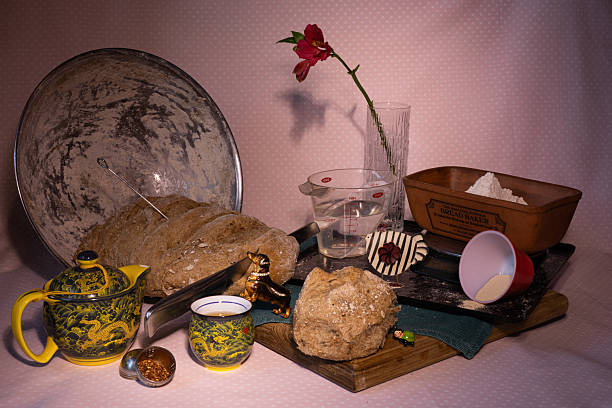
If you have ever stood in a kitchen and watched a lump of dough double in size through nothing more than flour, water, and invisible microbes, you have already witnessed one of the most underrated creativity boosters available. Learning to bake bread is not about following recipes like a robot. It is about developing a hands‑on relationship with variables: temperature, hydration, time, and even the weather. That relationship teaches you to observe, adjust, and trust your instincts – skills that translate directly into any creative work.
Bread baking demands that you pay attention to physical cues rather than a set of printed numbers. The dough will tell you when it needs more water by feeling stiff and dry. It will tell you when it has fermented long enough by smelling slightly sour and looking billowy. There is no absolute right or wrong, only feedback. This kind of sensory learning forces the brain to work differently than when you are reading a book or scrolling through a feed. You start thinking in terms of cause and effect, tiny adjustments, and patience. Over time, that mental agility carries over into your other projects. You become more willing to try a different approach when something feels off, rather than giving up or sticking to a rigid plan.
One of the most creative parts of baking bread is adjusting the hydration level. A wetter dough produces an open, airy crumb with large holes – what many bakers call “the ear” on a crusty loaf. A drier dough yields a tighter, more sandwich‑friendly texture. But you cannot just read a hydration percentage and get the perfect result. The same recipe will behave differently on a humid summer day than on a dry winter afternoon. You have to compensate. That act of compensating is pure creative problem‑solving. You start to think like an engineer: what happens if I add a splash more water? What if I let it rise in a cooler spot? Each small experiment gives you a new data point, and soon you are not just following steps but designing your own process.
The timeline of bread baking also rewires how you approach creative blocks. A typical sourdough can take twenty‑four hours from start to finish, with multiple rest periods and stretches. You cannot rush it. That forced slow pace teaches you to let ideas sit and develop without forcing a solution. Many creative people struggle because they want an answer immediately. Bread baking shows you that some of the best results come from waiting, letting the natural process unfold, and then acting at the right moment. The dough does not care if you are impatient. It will collapse if you push it too soon. You learn to respect timing, which is a lesson for any creative project.
Then there is the shaping. Turning a formless blob of dough into a tight round loaf or a long batard is a tactile puzzle. You have to create surface tension without tearing the skin. Every fold and tuck changes the final shape and how the loaf opens in the oven. You can invent your own shaping techniques. Experienced bakers often develop personal signatures, like a particular twist or a pattern of scoring. That scoring is especially creative – a quick slash with a lame can produce a simple cross, a wheat stalk, or an elaborate leaf pattern. The dough blooms in the heat, and the cuts spread open to reveal the color and crust. It is low‑risk art. If the pattern does not turn out as expected, you still have a delicious loaf, and next time you adjust.
Bread baking also connects you to a community of givers. Once you master a basic loaf, you start bringing bread to friends, neighbors, or coworkers. That act of sharing feeds back into your creativity. You hear what people like: more crust, less salt, a nuttier flavor. Their feedback becomes a source of inspiration. You might try adding roasted garlic, sun‑dried tomatoes, or a sprinkle of sesame seeds. You are no longer following a static recipe but improvising based on what you know and what others enjoy. That is the same flow you want in any creative field – an ongoing conversation between you, your material, and your audience.
For anyone who feels stuck in a rut, picking up a bag of flour and a packet of yeast is a cheap and effective way to break out. It requires no special talent, just a willingness to experiment and a tolerance for mistakes. Burnt crusts, flat loaves, and gummy interiors are all part of the learning curve. Each failure teaches you something about control and adaptability. And when you finally pull a golden, crackling loaf from the oven, you get the same jolt of satisfaction that a painter gets from a finished canvas. You made something from nothing using your hands, your senses, and your judgment. That feeling alone is enough to rewire your creative confidence.
So if you are looking for a new hobby that will stretch your thinking without requiring a studio or an expensive kit, consider bread baking. It is a slow, humble process that quietly teaches you to observe, adapt, and trust your own creative instincts. And the best part – you get to eat your work.
Articles