The Art of Seeing Light and Shadow
Walk into any room and you will probably notice the furniture, the people, the walls. But ask yourself what you actually saw five minutes later, and the details dissolve. An artist learns to see differently, not just to look but to observe with a kind of quiet hunger. One of the most powerful ways to train this habit is to study something we take for granted every second of our waking lives: light and the shadows it throws. By paying close attention to how light falls on surfaces, how it changes through the day, and how it defines shape and mood, you can unlock a fresh stream of creative ideas without ever leaving your home.
Begin with a simple exercise. Pick a single object in your room—a coffee mug, a houseplant, a crumpled piece of paper. Do not move it. Now watch it at different times of the day. In the early morning, sunlight might pour through the window at a low angle, stretching long, soft shadows across the table. By midday the light is harsh and direct, flattening contours and bleaching out colors. Late afternoon brings a warm golden glow that deepens every shadow and makes edges seem to soften. Each hour paints a different picture of the same object. An artist notices these shifts and uses them to decide how to represent a subject or what feeling to convey. A writer might capture the way a shadow pools under a chair like a puddle of ink. A designer could borrow the geometry of a shadow cast by a window frame to create a repeating pattern for fabric or wallpaper.
Shadows themselves are not just the absence of light. They have shape, texture, and motion. Watch how a shadow falls on a textured wall—how it climbs over bricks or dips into grooves. Notice the edge of a shadow: sometimes it is razor-sharp, other times it blurs into a fringe of half-light. The play of light and shadow tells you about the source of light, the surface it hits, and the space between. This kind of seeing is active, not passive. You are not a camera recording everything; you are a hunter searching for subtle stories.
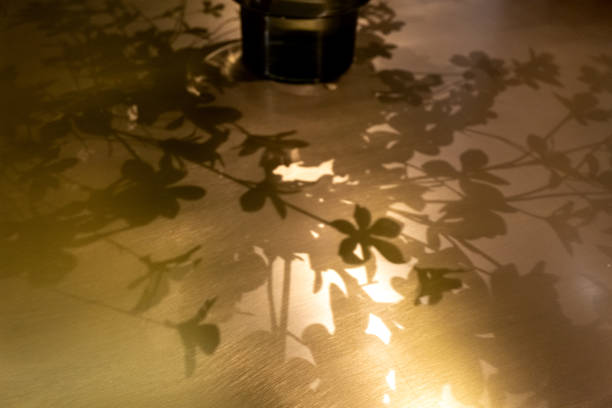
Try this experiment on a sunny afternoon. Find a window with a tree outside. Watch the shadow of a single leaf flicker on the floor as the wind moves the branch. The shadow bends, stretches, shrinks, and vanishes for a split second before snapping back. That flicker is a tiny event that happens thousands of times a day and goes unnoticed. If you were sketching, that movement would force you to work quickly and intuitively, capturing the essence instead of the outline. If you were writing a poem, that image of a shadow that seems to breathe could become a metaphor for memory or change. If you were designing a user interface, you might think about how light and shadow on a screen can guide a user’s eye or suggest depth.
Pay attention to the quality of light indoors at night. A single lamp creates a pool of warm light, leaving the rest of the room in deep gloom. The contrast between the illuminated area and the dark masses around it can feel dramatic, intimate, or lonely. Notice how the light from a computer screen casts a cool blue glow on your hands, or how a candle flame makes shadows dance on the ceiling. Each light source has its own personality. Fluorescent lights are flat and clinical, while incandescent bulbs are rich and forgiving. An artist sees these differences and uses them to set a scene.
The real benefit of this practice is not just that you become better at drawing or describing light. It is that you become more sensitive to the world around you. Creativity often comes from making connections between things that seem unrelated. When you train yourself to observe light and shadow with an artist’s eye, you start noticing patterns everywhere. A streak of sunlight across a dusty floor reminds you of a painting. The way a shadow curls around a corner suggests a shape for a sculpture. A sudden shift in brightness as a cloud passes over the sun changes the mood of an entire landscape. These small observations feed your imagination and give you raw material to work with.
Begin today. Pick a time and place, and simply look at the light. Do not try to remember or analyze. Just watch. Let the shadows tell you about the shape of things. Let the highlights reveal the texture of surfaces. Over time, this kind of seeing becomes second nature, and your creative work will carry the weight of real, felt experience. Light and shadow are free teachers, always present, always changing. All you have to do is open your eyes and really see.
Articles