The Art of Getting Lost
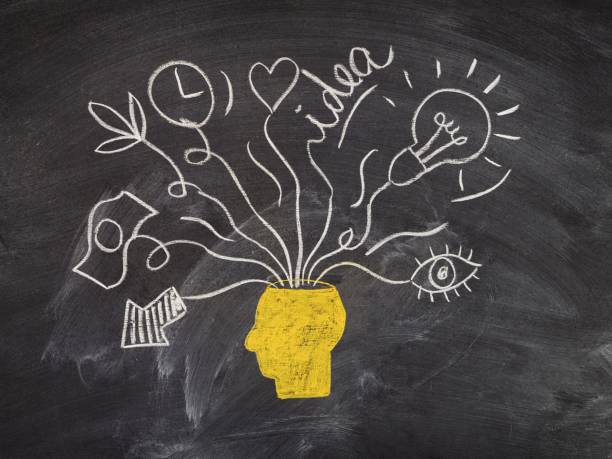
Every seasoned creative knows the feeling of staring at a blank page, a pristine canvas, or an empty project file. The mind feels locked in a familiar loop, drawing from the same worn-out references. The usual coffee shop, the same walking route, the predictable routine—they all conspire to keep your thinking inside a tidy, well-worn box. One of the fastest ways to kick that box open is to get lost. Not metaphorically lost in thought, but actually, physically, geographically lost. Leaving the map behind in your pocket and letting your feet and your curiosity guide you through an unfamiliar place is a deliberate creative tool, not a sign of poor planning.
When you travel to a new city, the natural instinct is to arm yourself with a curated list of must-see sights. You follow a pre-approved path. You see what everyone else sees, take the same photos, and return home with a set of memories that could belong to any tourist. That approach might be efficient, but it starves the creative brain of the one thing it craves most: unexpected raw material. Getting lost forces you to notice what you would otherwise skip. Instead of walking down the main boulevard lined with chain stores, you turn down a side alley where the paint is peeling, a cat sleeps on a windowsill, and someone is repairing a bicycle with twine and a bent spoke. That image sticks. It is a real, sensory fact that doesn’t fit into any category. That incongruous detail—the twine, the sleeping cat, the peeling paint—becomes a seed for a story, a design pattern, a painting, or a solution to a stubborn problem.
The act of navigating without a safety net also changes the way you process time and space. In your home city, you move on autopilot. Your brain runs a script: turn left, wait for the light, avoid the cracked pavement. In a strange place with no map, every corner is a decision. You have to read the faded street signs, decipher a bus schedule printed in a language you don’t speak, or simply guess which direction smells like fresh bread. This heightened state of attention is exactly the same mental state that precedes a creative breakthrough. You are collecting information at a ferocious rate because your survival (or at least your ability to find a decent meal before dark) depends on it. Your brain is forced to make new connections between unfamiliar stimuli. The smell of grilled meat mixes with the sound of a street musician playing a broken trumpet, and suddenly you see a color combination you have never considered. That is not mysticism. That is cognition working at its peak.
There is a reason why so many writers and artists have sworn by the practice of “drifting” through cities. The writer W.G. Sebald built entire books out of the accidental encounters that happened when he wandered through obscure European towns. The Situationist International movement in the 1950s called it “dérive” – a technique of drifting through urban landscapes without purpose, letting the architecture and atmosphere pull you along. They understood that the city itself becomes a collaborator. When you let go of control, the city improvises with you. A sudden rain shower forces you into a tiny bookshop where you find a book on a forgotten craft. A wrong turn leads you to a courtyard where an old man is feeding pigeons and whistling a tune you have never heard. These are not accidents. They are rewards for surrendering your itinerary.
The resistance to getting lost is usually about efficiency. You have limited time on a trip, and you want to “see the sights.” But the sights are rarely the source of creative fuel. The source is the texture of the place—the way the light falls on a rusty grate, the argument you overhear in a language you almost recognize, the strange local snack you try because you cannot read the label. These moments are the equivalent of a random word generator for a writer or a palette cleanser for a painter. They break the neural patterns that have become ruts.
To practice the art of getting lost, you do not need to fly to a remote continent. You can do it in a neighborhood ten minutes from your hotel that you would never have visited. You can do it by closing your phone’s mapping app and promising yourself you will find your way back only by asking people for directions. You can do it by walking until you feel completely disoriented, then stopping to draw or write down everything you see, hear, and smell for five minutes. That forced observation is the point. Creativity is not about nothingness. It is about the raw, unprocessed, chaotic material of the world. Getting lost is the most direct way to fill your tank with that material.
The next time you are stuck on a project, think back to the last time you had no idea where you were. That moment of fear and excitement—the slight panic turned into curiosity—is the exact feeling of a fresh idea being born. You cannot plan your way to originality. You can only walk into the unknown and trust that you will find something worth bringing back.
Articles