
Short Bursts of Intensity: How High-Intensity Interval Training Unlocks Creative Sparks
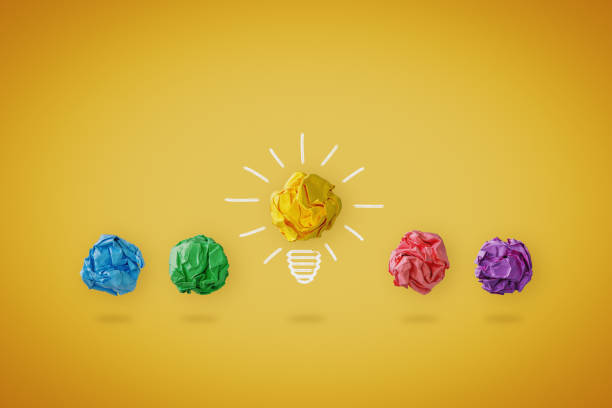
The idea that exercise and creativity are connected isn’t new. Most people who make things for a living—writers, designers, musicians, painters—know that a good walk or a steady jog can untangle a mental knot. But there is a different kind of movement that hits the brain in a completely different way. High-intensity interval training, or HIIT, is not about long, steady endurance. It is about short, explosive efforts followed by rest. And for the creative mind, those sharp bursts of effort can be exactly the jolt that fresh thinking requires.
Think about the typical creative block. You sit at your desk, staring at a blank page or an empty canvas. Your mind feels fuzzy, stuck in a loop of the same old ideas. A gentle run might calm you, but it can also let you drift into the same mental rut. HIIT doesn’t allow that. When you push yourself to sprint for thirty seconds, your body demands full attention. Your heart pounds, your breath comes fast, and all the chatter in your head quiets. In that moment, you are not thinking about your project or your deadline. You are simply surviving the next ten seconds. That forced break from overthinking is valuable.
After the workout, something shifts. The rush of endorphins and the increased blood flow to the brain create a state of heightened awareness. Your mind feels clearer, sharper, and more open to unexpected connections. Many creatives report that their best ideas come not during the workout but in the minutes or hours after. The intense effort seems to reset the mental workspace. It is as though the brain, having been completely occupied by physical demand, comes back online with a fresh set of tools.
The physical experience of HIIT also mirrors the creative process itself. A creative breakthrough rarely comes from a long, steady grind. More often, it comes in short, intense bursts of inspiration followed by periods of rest and reflection. HIIT mimics that rhythm. You go all out, then you recover. Then you go again. That pattern trains the brain to work in cycles of high output and deliberate pause. Over time, this can change how you approach creative work. Instead of forcing a long, draining session, you learn to trust short, focused efforts followed by genuine breaks.
There is also the element of novelty. Most people who exercise regularly fall into a routine. They run the same route, lift the same weights, do the same yoga poses. The creative brain thrives on novelty, on experiences that shake up the ordinary. HIIT, by its nature, is something you cannot do on autopilot. You have to push past your comfort zone. You have to change the intervals, vary the exercises, and constantly challenge your body. That demand for adaptation carries over into your thinking. When you regularly put yourself in a physically uncomfortable and unfamiliar situation, you become more comfortable with uncertainty in your creative work. You learn to tolerate the discomfort of not knowing where an idea is heading.
Some artists use HIIT as a deliberate pre-work ritual. A painter might do a quick set of burpees and mountain climbers before stepping into the studio. A writer might sprint up and down a flight of stairs before sitting down to draft a difficult scene. The point is not to exhaust yourself but to wake up the nervous system. The short, intense effort raises your heart rate and oxygenates your brain. It also triggers the release of norepinephrine and dopamine, chemicals that improve focus and motivation. These are the same chemicals that help you stick with a challenging creative problem.
The social aspect can also feed creativity. While HIIT can be done alone, many people do it in a class or with a friend. That shared experience of pushing through discomfort creates a bond and a sense of energy. In the creative world, collaboration often sparks ideas. The energy of a group HIIT session can translate into a more open, collaborative mindset for later creative work. You feel less isolated in your struggle, more willing to share rough ideas and take risks.
One caution: HIIT is not for everyone, especially those with certain health conditions. But for the average creative person looking for a new way to jumpstart their thinking, it is worth trying. Start small. Even two minutes of all-out effort—a sprint, a set of jumping jacks, a fast bike ride—can be enough to shift your mental state. The key is to treat it as an exploration, not a punishment. You are not trying to get fit for the sake of fitness. You are trying to give your brain a new kind of stimulus.
In the end, creativity is about making connections that were not there before. HIIT forces you to make a different kind of connection—between your body and your mind, between effort and release, between discomfort and clarity. That is a powerful recipe for breaking out of a creative rut. The next time you feel stuck, try something short and hard. Push yourself for thirty seconds. Then stop. See what your brain does with the silence that follows.
Articles