Reimagining a Neighborhood Park with SCAMPER
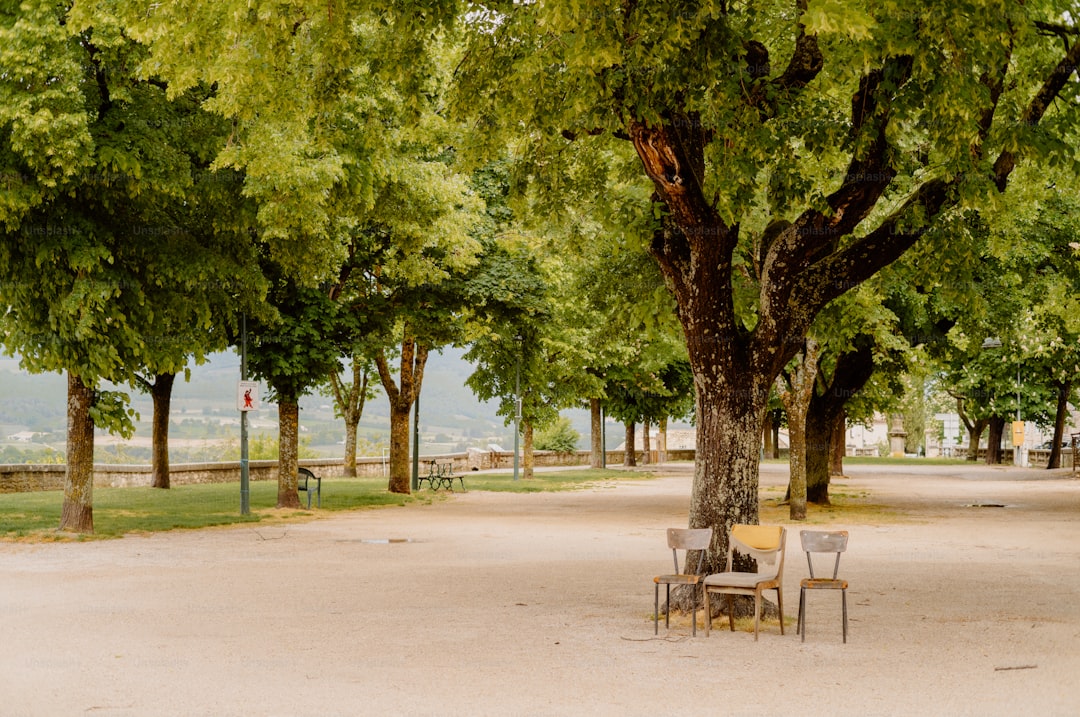
You have a small neighborhood park that gets used mostly by dog walkers and the occasional picnicker. It is fine, but fine is the enemy of great. The benches are generic, the playground equipment feels like it was ordered from a 1990s catalog, and the flower beds look like an afterthought. You want to inject new life into the space without tearing everything down and starting over. This is exactly the kind of problem that benefits from a structured but flexible tool like SCAMPER. SCAMPER stands for Substitute, Combine, Adapt, Modify, Put to another use, Eliminate, and Reverse. It forces you to look at every element of the park and ask what happens if you twist it, swap it, or scrap it. It is a way to generate ideas that are both practical and surprising, and it works because it does not rely on waiting for a bolt of inspiration. You simply work through the list.
Start with Substitute. What can you replace in the park that would change the experience? The typical metal bench could be swapped for a wooden one, but that is too obvious. Instead, substitute the entire seating concept. Replace fixed benches with movable, lightweight chairs that people can rearrange into circles, clusters, or solitary spots. Substitute the standard mulch under the playground with recycled rubber mats that double as a soft surface and a canvas for painted games like hopscotch or four square. Substitute the usual trash cans with brightly colored, artist-designed bins that become landmarks. Every substitution should ask: what else could fill this role and bring a different energy?
Next, Combine. Think about merging two functions that usually live apart. Combine the picnic tables with a chess board or a checkerboard inlaid into the tabletop. Combine the walking path with an outdoor gallery by installing weatherproof frames at regular intervals where local artists can hang prints. Combine the rain garden with a seating area, so that when it rains, the water trickles through a visible channel next to the benches, turning a drainage feature into a quiet attraction. Combination creates hybrids that feel fresh because they borrow the best from two worlds.
Adapt is about borrowing ideas from other contexts. How does a public market arrange its stalls? Adapt that layout for a weekend pop-up market in the park. How does a museum design its signage? Adapt that approach for interpretive signs about the trees and birds in the park. How does a coffee shop handle its outdoor seating? Adapt the idea of a small, self-serve coffee cart that appears on Saturday mornings. Adaptation does not require invention from scratch; it is about taking something that works elsewhere and applying it to your park.
Modify means changing a quality like size, shape, color, or texture. Modify the playground slide so that it is curved or spiral instead of straight. Modify the height of the park lights so that some are low and warm, creating intimate pockets, while others are tall and bright for safety. Modify the grass by introducing areas of tall, wild meadow grass that move in the wind, breaking up the monotony of mown green. Small modifications to scale or material can completely shift how people perceive a space.
Put to another use asks you to use an existing element for a purpose it was never meant for. The park’s gazebo could become an outdoor movie screen with a white sheet draped across its frame. The large oak tree could become a living bulletin board where people tie messages on ribbons. The park’s annual cleanup day could be turned into a community art event where collected trash becomes sculpture material. When you ask what else this thing can do, you often find that it can do a lot.
Eliminate is the hardest move because we are programmed to add. But removing something can unlock new behavior. Eliminate the designated dog area and let dogs roam everywhere—but only during certain hours. Eliminate half the benches so that people are forced to sit on the grass, which creates a different social dynamic. Eliminate the fence that separates the playground from the rest of the park, making the whole space feel continuous. Elimination is not about loss; it is about clearing away what is no longer needed to reveal what could be.
Finally, Reverse. Flip the usual sequence or position. Instead of a circular path that loops around the park, design a figure-eight path that crosses itself in the middle, creating a natural meeting point. Instead of the playground in the center, put it at the edge, so that the center becomes a wide-open lawn for spontaneous games or gatherings. Instead of asking people to walk to the park, reverse the idea and bring the park to them—a small mobile park on a trailer that visits different neighborhoods once a week. Reversal often produces the most radical ideas because it challenges the unspoken assumptions about how things should be arranged.
Each of these SCAMPER prompts generates a dozen small ideas. The real trick is to pick a handful and test them. You do not need to overhaul the entire park at once. Try one substitution, one combination, and one elimination over a single season. See how park visitors react. The SCAMPER technique is not a magic wand. It is a systematic way to notice what you have been looking at but not seeing. For a creative class that spends its days solving problems with limited budgets and a lot of constraints, SCAMPER is a reliable engine for turning a ho-hum park into a place where people linger, talk, and discover something they did not expect.
Articles