
Is Equipment Necessary for Effective HIIT Training?
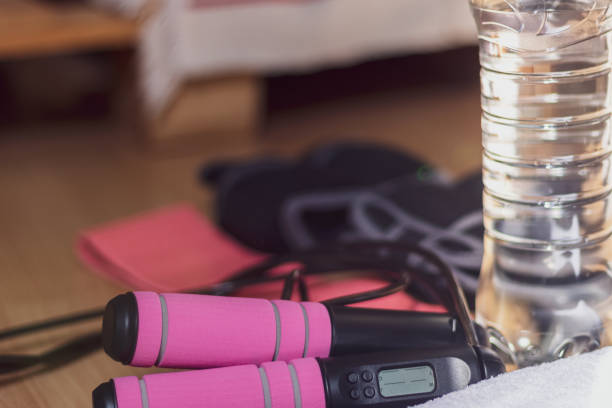
The image of High-Intensity Interval Training (HIIT) is often associated with a gym floor cluttered with kettlebells, battle ropes, and rowing machines. This pervasive imagery leads many to wonder if a financial investment in gear is a prerequisite for reaping the famed benefits of this efficient workout style. The resounding answer is no; you do not need specialized equipment to perform a legitimate, sweat-drenching, and highly effective HIIT session. The fundamental principle of HIIT—alternating short bursts of maximum effort with periods of recovery or lower-intensity activity—is entirely dependent on movement and intention, not on tools. Your own body and a small amount of space are the most essential pieces of equipment you already own.
The human body is a remarkably adaptable resistance tool. Bodyweight exercises provide more than enough intensity to drive the physiological adaptations sought from HIIT, including improved cardiovascular health, metabolic rate increase, and muscular endurance. A classic HIIT protocol can be constructed entirely from movements like burpees, squat jumps, mountain climbers, high knees, and push-ups. These exercises engage multiple large muscle groups simultaneously, rapidly elevating heart rate and creating the high-intensity “work” interval. For the recovery phase, simple marching in place, walking, or slow, controlled movements like torso twists are perfectly sufficient. This minimalist approach demonstrates that the core engine of HIIT is personal exertion, not external weight.
Furthermore, the versatility of equipment-free HIIT eliminates significant barriers to entry and consistency. There is no cost, no need for a gym membership, and minimal spatial requirements—a clear floor area roughly the size of a yoga mat often suffices. This accessibility means workouts can happen anywhere: a living room, a hotel room, a park, or a small backyard. The removal of logistical hurdles makes it easier to adhere to a routine, which is ultimately more critical for long-term fitness than any single piece of equipment. The simplicity also allows for spontaneous workouts, fitting into busy schedules without the need to travel or set up complex apparatus.
However, to address the question fully, it is important to acknowledge that equipment can play a valuable role in enhancing and diversifying a HIIT regimen for those who seek variety or have specific goals. While unnecessary, tools like a simple jump rope can intensify cardio intervals, a single dumbbell or kettlebell can add load to squats and lunges, and a bench or sturdy chair can facilitate step-ups and tricep dips. For individuals who enjoy cycling, sprinting, or rowing, that corresponding equipment provides an excellent modality for HIIT. The equipment does not define the workout; it simply offers a different vehicle for applying the same principle of intense effort followed by recovery. It is an option for progression, not a foundational requirement.
Ultimately, the need for equipment in HIIT is a matter of preference, access, and specific objectives. For the beginner or the individual prioritizing convenience and cost-effectiveness, a bodyweight-only routine is not just a compromise—it is a complete and potent training method. The true “equipment” needed for successful HIIT is a timer to track work and rest intervals and a mindset willing to push personal limits during those short, demanding bursts. Whether on a state-of-the-art ski erg or on a carpet at home, the transformative power of HIIT is unlocked by the intensity of the effort, not by the gadgets surrounding it. Therefore, while equipment can expand the menu of exercises, it is unequivocally not a necessity for starting, maintaining, or benefiting profoundly from a High-Intensity Interval Training program. The most critical investment is in one’s own commitment and energy.