How Wandering a Foreign Supermarket Can Make You More Creative
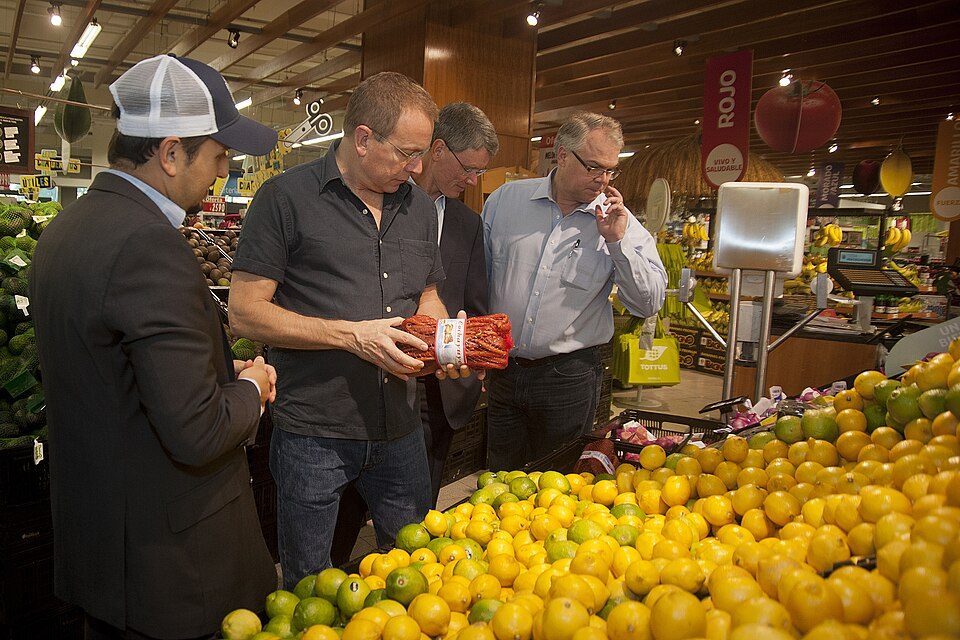
A supermarket in another country is not just a place to buy food. It is a crash course in how other people live, package, season, and solve problems. The aisles look familiar enough to enter without fear, but the labels, smells, and shapes are different. That gap between the familiar and the strange is useful. It forces your attention away from autopilot and toward details you would normally ignore. For anyone who wants new ideas, that shift is worth more than a museum visit or a guided tour.
Most creative work begins with noticing. At home, you walk past the same products, signs, and arrangements every week. Your brain files them as background. In a foreign supermarket, nothing is background. What is that jar with the bright lid? Why are there six kinds of salt? Why is the milk sold on a shelf instead of in a cold case? Why does the bakery smell like anise? These questions seem small, but they interrupt the habit of assuming you already know how things work. Once that habit is interrupted, your mind starts making comparisons. Comparisons are raw material for ideas.
The supermarket also teaches by constraint. You may not read the language. You may not recognize the cuts of meat. You may have only a small kitchen, a single pan, or a hotel kettle. Instead of following a recipe exactly, you have to improvise. You smell, touch, guess, and test. You choose ingredients because they look interesting rather than because a list told you to. That kind of problem solving is close to what happens in a studio, a workshop, or a writing desk. The rules are unclear, so you build your own temporary rules. You ask what can be swapped, combined, or left out. Creativity often grows not from complete freedom but from limits that force a new route.
There is also the matter of translation. Even if you do not speak the language, you can learn from packaging. Pictures, colors, and layouts tell you what a culture values. A snack may be designed to be eaten on a train. These clues reveal assumptions about time, work, hospitality, and pleasure. When you carry those assumptions back to your own work, you can test them. Why does this project assume speed is best? Why does this design assume one person uses it alone? Why does this story assume a certain kind of ending? Travel does not give you the answers. It gives you better questions.
The sensory details matter too. Creativity is tied to materials, smells, sounds, and textures. A foreign supermarket offers all of these at once. Cold air near the fish counter. Cardboard trays of fruit. A loudspeaker announcing a special. The snap of a plastic bag. The smell of ground coffee mixed with cleaning soap. These details can become images, metaphors, color palettes, names, or scenes. They can also break a dry spell simply because they are new. When you are stuck, your usual reference points keep leading you to the same place. New input gives you a different starting point.
You do not need to buy much. Walk in with a small budget and no plan. Spend time in the aisles that confuse you most. Watch how people shop. This is research, but it does not feel like work.
The best part is that the effect travels home. The next time you face a blank page, a difficult design, or a stubborn problem, you can remember that other ways of living exist. You can borrow a flavor, a layout, a habit, or a question. You can ask what a person from another place would do with your materials. You can introduce a constraint that has nothing to do with your usual process. You can walk a different route to the same goal.
Creativity often arrives when the familiar becomes strange again. A foreign supermarket is one of the easiest places to make that happen. It is open to everyone, it costs almost nothing, and it is full of ordinary objects that are not ordinary to you. Go in curious. Leave with a bag of unfamiliar ingredients and a head full of new connections.