How to Capture Hypnagogic Ideas Using the Falling Spoon Trick
You are lying in bed, half awake, half dreaming. Your mind drifts into a strange twilight zone where images flicker like a broken film reel. A face looms, then dissolves into a landscape. A melody plays, then turns into a conversation you cannot quite hear. Then, suddenly, you are jolted awake. You look around, disoriented, and the whole scene evaporates like morning mist. That fleeting state between waking and sleeping is called the hypnagogic state, and for centuries, creative people have learned to trap its weird, vivid ideas before they vanish. One of the most famous methods involves nothing more than a metal spoon and a ceramic plate.
The hypnagogic state is not a deep sleep. It is the brief transition your brain makes as it begins to shut down for the night. In those few minutes, your conscious mind loosens its grip on logic, and your subconscious starts throwing up images, sounds, and even entire story fragments. Many artists, inventors, and writers have reported that their best ideas came from this exact moment. The problem is that the moment is so short, and the ideas so fragile, that you usually forget them before you can write them down. That is where the spoon trick comes in.
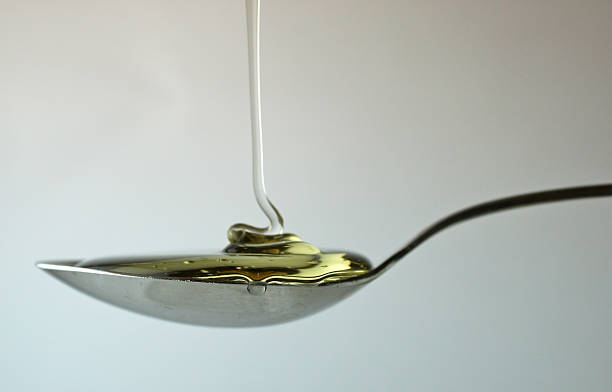
The technique is simple. Lie down on a comfortable surface, preferably a bed or a couch, and hold a spoon loosely in your hand. Let your arm hang over the edge of the bed so that when you relax, the spoon will naturally fall. Place a metal plate or a shallow bowl on the floor directly below your hand. Now, close your eyes and let yourself drift toward sleep. As you enter the hypnagogic state, your muscles will relax more and more. At some point, your grip on the spoon will give way completely. The spoon will hit the plate with a loud clatter, jolting you awake. That clatter pulls you right back out of the twilight zone, but now you have a tiny window of alertness to capture whatever images or thoughts were floating through your mind at that moment.
Do not move. Do not reach for a lamp. Just lie still and replay what you saw or felt. Often it is a single image or a phrase. Sometimes it is an unusual connection between two things you would never have put together while fully awake. Grab a notebook or a voice recorder you have placed nearby, and scribble down or speak the idea before it fades. If you cannot remember anything specific, just write down the general mood or any fragment that sticks. Even a strange color combination or a shape can spark something later.
Why does this work? When you are fully awake, your prefrontal cortex is in charge. That part of your brain filters out weird thoughts and keeps you focused on practical things. It is great for solving math problems but terrible for generating wild, original ideas. During the hypnagogic state, that filter relaxes. Random associations bubble up freely, and your brain makes connections that your waking self would dismiss as nonsense. The spoon trick gives you a way to interrupt that state at the exact moment when the filter is still loose but you are conscious enough to remember. You effectively steal from your own sleeping brain.
Famous creative minds have used variations of this method. Thomas Edison was known to take short naps in his workshop while holding a steel ball in each hand. When he fell asleep, the balls would drop onto metal pans and wake him. He would then immediately write down whatever idea had surfaced. Salvador Dali did something similar with a key, though he called it the “slumber with a key” method. He would sit in a chair holding a heavy key above a plate. As he drifted off, the key would fall and wake him, and he would use the hypnagogic images as the basis for his surrealist paintings. Both men were not just lucky dreamers. They had deliberately designed a tool to harvest ideas from a state that most people ignore.
You can adapt the technique to fit your own habits. If the clatter of a spoon on a plate is too harsh for a shared bedroom, try using a light plastic object that makes a softer noise, or tie a string around your wrist that pulls a small bell when you relax. The key is to have a physical trigger that snaps you out of the hypnagogic state without making you fully alert. You want to stay groggy enough to hold onto the dreamlike content but awake enough to record it.
Practice this method for a few nights, and you will notice that the ideas you capture are often raw and uncensored, the kind of material that feels strange at first but can be refined later into something useful. A painter might see a color scheme that never occurred to her during the day. A songwriter might hear a rhythm that sounds like nothing on the radio. A writer might catch a fragment of dialogue that reveals a character’s hidden motivation. None of these are finished works, but they are starting points that your conscious mind would never have reached on its own.
The hypnagogic state is free. It costs nothing but a few minutes of your time before bed. Yet most people let its ideas slip away because they do not have a system for catching them. The spoon trick is that system. It is crude, mechanical, and wonderfully effective. Next time you lie down at night, hold a spoon over a plate and let your brain wander into the twilight. When the clatter comes, grab what you can. Those stolen fragments might turn into your next breakthrough.
Articles