
How Bitter Greens, Fermented Sauces, and Strange Snacks Make Better Ideas
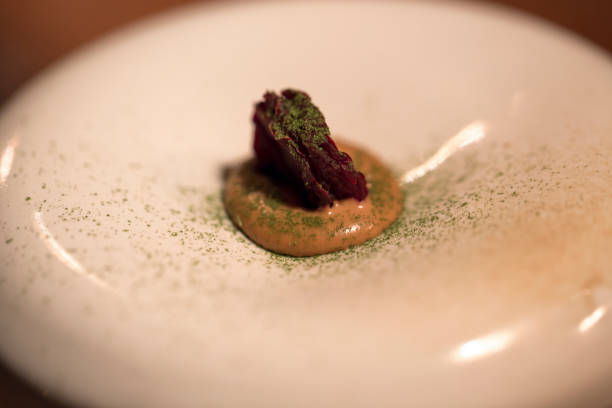
Most creative work starts with routine. That sameness gets things done, but it can make every idea feel like a variation on the last. Taste is one of the fastest ways to break the pattern. One bite of something unfamiliar can interrupt the day and send the mind somewhere else. It only requires choosing the thing on the menu you cannot yet describe.
Familiar foods are shortcuts. You know how a sandwich will taste before it arrives. Those expectations let you eat without thinking. Unfamiliar foods remove the shortcut. A bite of pickled mustard greens, a spoonful of tamarind, a slice of blood orange, a spoon of fermented black bean sauce—each one asks a question. Is it sour or sweet? That questioning is the same move you make when a project refuses to fit its first plan. You pause, pay attention, and look for words.
Bitter and fermented flavors are especially useful because they are rarely love at first taste. Coffee, dark chocolate, kimchi, miso, stinky cheese, and bitter melon all ask for a second try. Learning to like them is a lesson in creative patience. The first draft of a logo, a chapter, or a song often tastes wrong. If you can stay with a difficult flavor long enough to find what it does well, you can stay with a difficult idea long enough to find its shape. You only have to remain curious.
New tastes also build a richer vocabulary. When a flavor has no ready label, you borrow from other senses. This sauce is smoky like a campfire. This fruit is floral and prickly. That borrowing is creative work in miniature. Writers do it with sentences. Painters do it with color. Chefs do it with acid and fat. The more precisely you describe a taste, the more precisely you can describe a mood, a character, a space, or a problem. The mouth teaches the eye and ear.
Unfamiliar ingredients also force new methods. If you buy a jar of gochujang, you cannot use it exactly like ketchup. If you bring home sumac, you have to decide where its sour red dust belongs. These small decisions add up. They train you to ask what an ingredient wants to become. The same question applies to a new material, a new tool, a new collaborator, or a strange piece of research. Instead of forcing it into an old recipe, you build a new one around it.
Trying unfamiliar food is also low-stakes risk. Ordering a dish you cannot pronounce is not the same as betting your rent. But the act still stretches your tolerance for not knowing. It reminds you that uncertainty can be survived. Creative fields run on uncertainty. The blank page, the empty canvas, the first client call—they all ask you to begin before you feel ready. A plate of strange food is a rehearsal for that beginning. That small adventure makes larger risks feel less foreign.
The five senses rarely work alone. Taste is tangled with smell, touch, sound, and sight. A crisp crust sounds different from a soft bun. A hot soup feels different from a cold noodle. A purple carrot looks different from an orange one, and that difference changes how it tastes. When you pay attention to these layers, you gather raw material for richer work. None of this is decoration. It is detail that makes an idea land. A crunchy snack can teach you more about timing than a lecture on pacing.
You do not need to eat anything extreme. Pick one item each week that you have never cooked or ordered. Taste it plain. Taste it with salt, acid, fat, or heat. Write down three comparisons. Then carry one word from that experience into your work. Sour. Smoky. Fermented. The word may become a color, a rhythm, a tone, a material.
Creativity is not only a mental exercise. New tastes keep the senses awake and the references wide. The next great idea may not come from a brainstorm. It may come from a strange pickle, a bitter leaf, or a sauce you almost sent back. The mouth is a research department that never closes. Take the bite. Then see what it makes you notice.
Articles