Build a Texture Sample Library to Refresh Your Creative Work
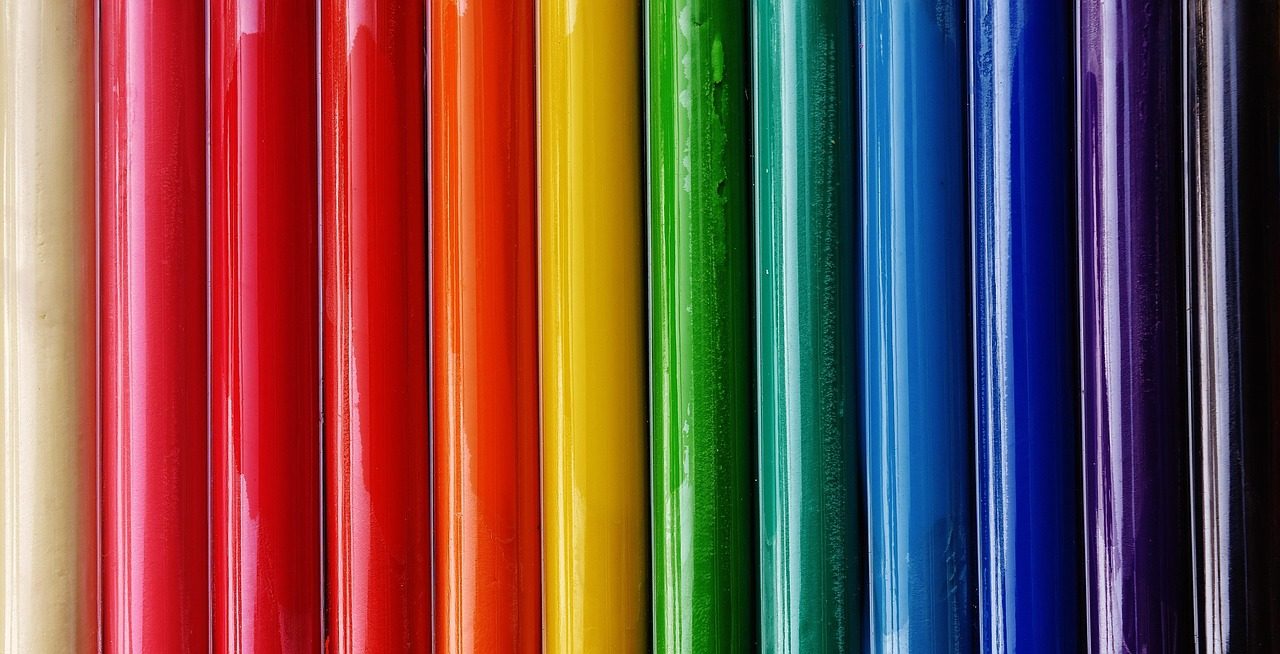
A small box of tactile samples can do more for a stalled project than another hour at a screen. Most creatives collect images, links, fonts, and color palettes, but touch is often missing from the reference shelf. A texture sample library fixes that gap. It is a curated set of physical scraps and swatches—paper, cloth, wood, metal, rubber, plastic, stone, cork, foam, wire, mesh, sandpaper, leather, felt, and anything else that feels distinct. The point is not a tidy craft closet. The point is to give your hands a quick way to test an idea before it becomes too polished to change.
Start by gathering materials that differ from one another. Contrast matters more than quantity. A smooth acetate sheet, rough burlap, soft fleece, and cool metal plate send different signals to the hand. Add samples with weight, give, grit, flex, and temperature. A heavy rubber tile feels different from a light foam sheet even when both are soft. A woven wire screen is not a flat metal sheet. When samples are varied, your fingers compare instead of confirm what your eyes already decided.
Keep the library where you work, not in a drawer across the room. A shallow tray, divided box, or set of small envelopes works well. Label samples only if labels help you find them; too much sorting can make the collection feel like a filing task instead of a working tool. A useful texture library should be easy to paw through. Leave a few loose pieces on top. Rotate new samples in every month or so. Old materials become invisible after a while, and a fresh scrap can reopen a familiar question.
The real value appears when you use the library as a design prompt. Suppose you are working on a poster that feels flat. Pull three samples without looking and place them beside your sketch. Ask what the poster would be like with the surface of the burlap, the stiffness of the acetate, or the dull weight of the metal. You do not have to reproduce the material literally. You might change the paper stock, add a printed texture, adjust the layout so it feels tighter or looser, or introduce a fold that gives the page a physical edge. The sample works as a comparison, not a command.
The same approach works for packaging, product design, interiors, book covers, displays, and digital projects that will be printed or built. For a packaging concept, a rough kraft sample might push you toward a more open structure, while a smooth coated sheet might suggest a cleaner label and a tighter fold. For a digital project, a tactile sample can remind you that a screen is not the only place an idea will live. If the final object will be handled, the sample library keeps that handling in view from the beginning.
Make time for a short touching session before you make decisions. Put away the phone, clear a small area, and spread five or six samples within reach. Hold each one. Notice whether it is warm or cool, stiff or floppy, noisy or quiet, sharp or soft. Then write a few plain words on a scrap of paper: dense, rattling, slick, fuzzy, brittle, spongy. These words become a bridge from hand to design. They are easier to act on than a vague feeling that something is missing.
A texture sample library also helps you avoid a common trap: repeating the same smooth, polished look because it is easy to approve on a screen. Physical samples introduce friction in the best sense. They slow a decision long enough for a different option to appear. They make contrast visible and touchable. They let you test a direction with your hands before you commit time and money.
Build the library slowly. Pick up scraps from packaging, fabric shops, hardware stores, sample books, and your own offcuts. Ask friends who work with different materials to save pieces. Keep what feels useful and let the rest go. The collection need not be large, only within reach, varied enough to surprise you, and rough enough to use. A box of tactile samples can give a strong idea the surface, weight, and detail it needs.
Articles