
A Comprehensive Guide to Preparing for a Full Body Scan
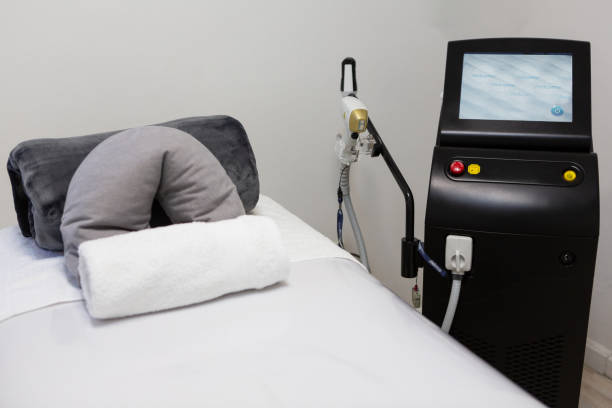
The prospect of a full body scan can evoke a blend of hope and anxiety. Whether it is a preventive screening tool like a low-dose CT scan for high-risk individuals or a diagnostic MRI to investigate symptoms, proper preparation is crucial for obtaining clear, accurate results and ensuring a comfortable experience. Preparing for such a scan is a holistic process that involves understanding the procedure, managing your body, and addressing your mind.
The first and most critical step begins not at the imaging center, but with a conversation with your referring physician. It is essential to understand precisely why the scan is being recommended, what type of scan you will undergo—be it a CT, MRI, or PET scan—and what the potential benefits and limitations are. This is the moment to disclose your complete medical history. Inform your doctor of any conditions, such as kidney problems, which are vital before a CT scan with contrast dye, or any implanted devices like pacemakers or metal joints, which are absolute contraindications for an MRI. For women, it is imperative to mention any possibility of pregnancy, as many scans use radiation or magnetic fields that could pose risks to a fetus. This foundational knowledge empowers you to follow subsequent instructions correctly and alleviates uncertainty.
Following the specific guidelines provided by your imaging facility is non-negotiable, as protocols vary significantly between scan types. For many scans, particularly abdominal or pelvic examinations, you will be instructed to fast for several hours beforehand. This means consuming nothing by mouth—no food, gum, or often even water—to ensure your digestive system does not obscure the images. For other scans, you may be asked to arrive well-hydrated to aid in the administration and flushing of contrast material. You will also receive detailed guidance on medication; typically, you can take essential medicines with small sips of water unless directed otherwise. Your attire is another practical consideration. You will almost certainly need to change into a hospital gown, so wearing simple, comfortable clothing without metal zippers, snaps, or underwire is advisable. Leave jewelry and accessories at home to avoid the hassle of removing them and to prevent any interference with the imaging technology.
The mental and emotional dimension of preparation is equally important. The scanning environment can be intimidating: the machines are large, the spaces can be cold, and the process requires you to remain very still, sometimes for an extended period inside a confined tube. To counter this, practice relaxation techniques such as deep, steady breathing in the days leading up to your appointment. If you experience claustrophobia, inform the technologist beforehand; they can often provide a blindfold, play music, or in some cases, offer a mild sedative. Mentally visualize the procedure as a positive step towards gaining valuable health information. On the day of the scan, arrive early to complete any necessary paperwork without rushing, and bring your identification and insurance cards. Remember to bring the actual order from your doctor if it was provided to you.
Finally, understand what will happen during the scan itself. For scans requiring contrast, a technologist will insert an intravenous line, and you may feel a warm sensation or a metallic taste when it is injected. Once positioned on the narrow table, you must commit to holding perfectly still as even slight movement can blur the images. The technologist will communicate with you via an intercom and will be monitoring you throughout the entire process. Afterward, you can typically resume normal activities immediately, though you should drink plenty of water to help flush out any contrast material. The most challenging part of preparation often follows the scan: patiently waiting for the radiologist to analyze the images and report the findings to your doctor, who will then discuss the comprehensive results with you in the context of your overall health. By approaching your full body scan with informed, physical, and mental readiness, you transform from a passive patient into an active participant in your own healthcare journey.